 Archetyp
Oriel
Education · Reading for grades 2–12
Reading that grows, one day at a time. Oriel is a reading, vocabulary, and learning program built on decades of research into how children learn to read, and designed so families can actually use it, every day, at home.
- Field
- Education
- Platform
- Web, on tablets, phones, and computers
- Technology
- Elixir and Phoenix LiveView
- Status
- Closed beta with a small group of families
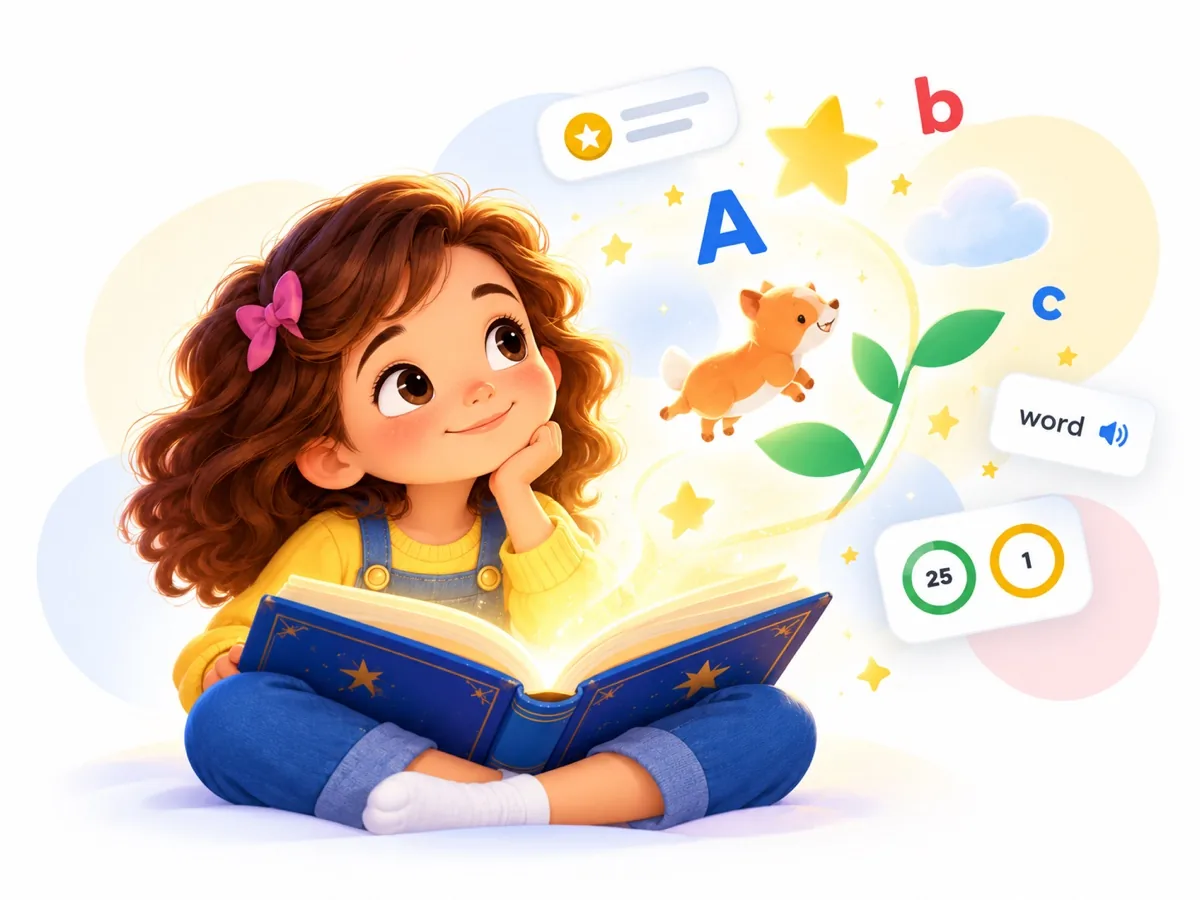
Sit Beside Them, From Any Room
A child reads or works on his or her own device, and parents follow along live on theirs: the retell as it's typed, the answers, and the words that trip him or her up. Then they talk it through together.
Two parents can follow the same reading, and pausing on either device pauses both. Oriel doesn't listen in or record.
The Pumpkin Ghost of Larch Street
Without looking back: what was it about?Grounded in What the Research Says Works
Understanding what you read takes two things working together: recognizing words accurately and automatically, and understanding the language and ideas they carry. Oriel gives each strand regular, deliberate practice, and measures it the way reading specialists do.
Built on the National Reading Panel (2000), the Simple View of Reading, Scarborough's Reading Rope, the Active View of Reading, and the research on spaced practice, fluency norms, and habit formation.
Word recognition
Spelling patterns and word parts, with a check that shows which patterns are secure.
Fluency
Read-alouds with a parent listening, scored in words correct per minute against published norms.
Vocabulary
Useful words met in real passages, used in the child's own sentence, and reviewed after growing gaps.
Knowledge
Passages across 17 topics, because knowing about a topic makes the next text on it easier.
Comprehension
A retell first, then questions from memory and again after a look back, like a reading inventory.
Habit
Children choose their topics, and a "when and where" plan turns reading into a routine.
True Stories Worth Knowing
Practice doesn't have to be dull. Of Oriel's 518 original passages, 281 are true articles on history, science, the arts, and the natural world, each written for its grade and checked against sources.
The Girl Who Named Pluto
An eleven-year-old at breakfast in England gave a new world its name, in 1930.
Twenty Teams to Nome
Twenty dog teams race medicine about 674 miles across frozen Alaska, in 1925.
Shackleton's Impossible Rescue
A ship crushed by ice, an 800-mile lifeboat voyage, and every man brought home.
A Bit of Scruff
A student takes a quarter-inch mark on her charts seriously, and finds the first pulsar.
Every School Year Is an Expedition
Children climb four real mountains, and every step is real reading: a passage read and discussed, a worksheet checked by a parent, a new word, or a finished book. Miss a day or two and you hold your place.
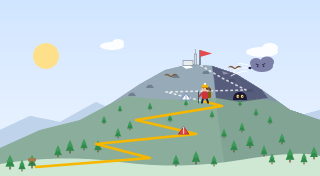


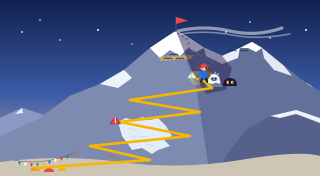
More than twenty badges reward effort, never screen time. Siblings can see each other's climbs, and test results stay private to the family.
Under the Hood
Live, on two devices
Start something together and both screens go to the same page; joining a child mid-activity takes one tap.
Five skills, charted
A starting point, practice all through the plan, and a re-check at eight weeks, with a plain note on what to do next.
A parent in the loop
Results count once a parent has looked at them, from a short checklist of what's waiting.
US or UK and Ireland
Spelling that matches where a family lives.
Light, dark, or auto
A theme for every room and every hour.
The family's own data
Export everything at any time. No ads, ever.
Built Carefully, With Families
Oriel is in a closed beta with a small group of families who give honest feedback, and it improves week by week.